

Policy Platform

ZETA’s Policy Platform is designed to support EV adoption, build a robust domestic supply chain, and create American jobs.
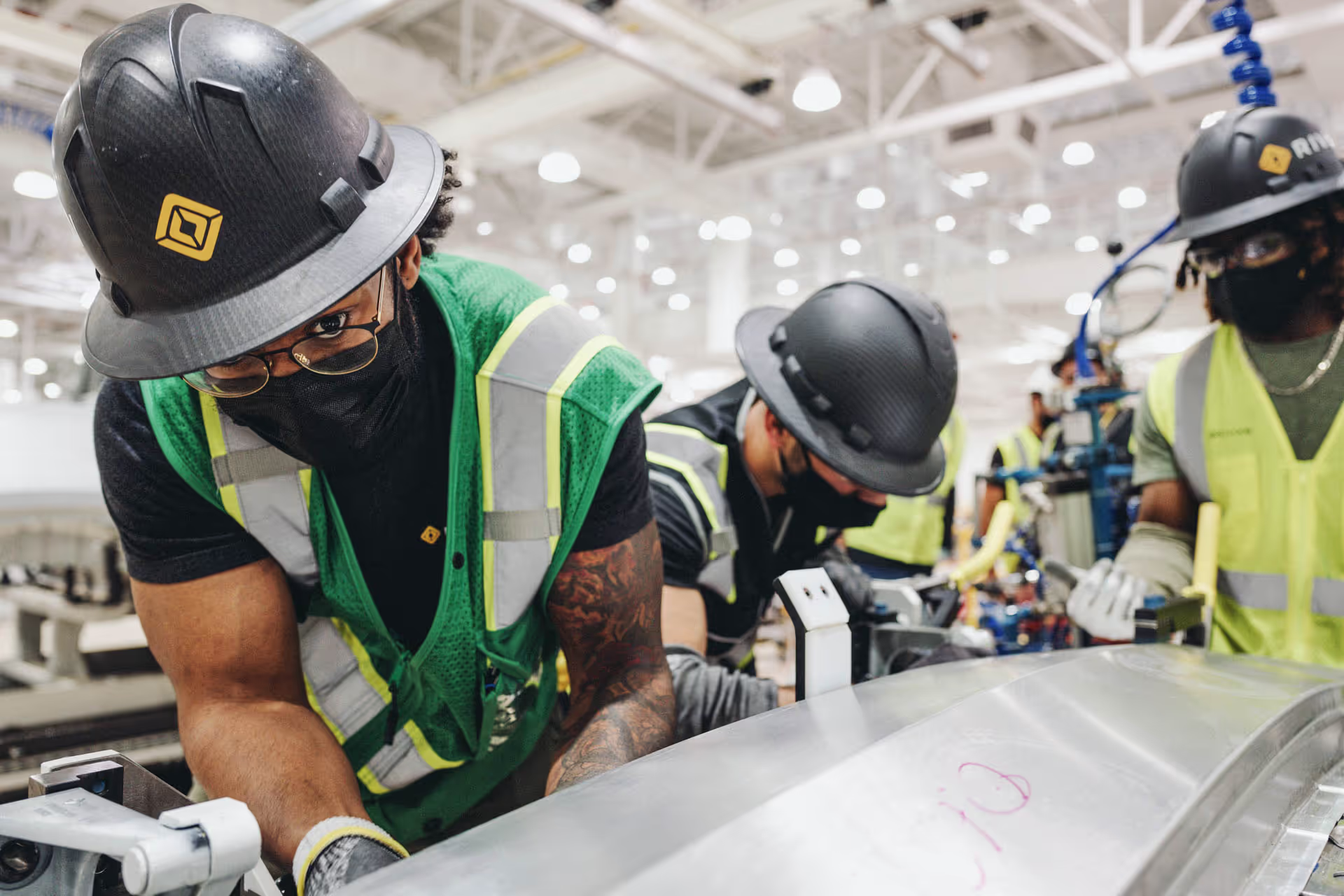

EV and Battery Supply Chain Development and Global Competitiveness
Promote federal policies that expand consumer access to electric vehicles, promote global competitiveness and domestic manufacturing of EVs and batteries, and accelerate fleet electrification across all vehicle classes.
Promote American supply chain resilience and competition with adversarial nations, such as China, through aggressive development of our domestic mineral and battery production capacity in balance with market access for allied countries.
Support an integrated North American supply chain through the United States–Mexico–Canada Agreement (USMCA) and other trade actions that advance U.S. automotive competitiveness in electric vehicle manufacturing.
Support policies for improved EV battery management and recovery protocols to increase the domestic supply of critical minerals and materials.
Promote policies to expand workforce development in EV, battery, and mineral supply chains.

Permitting Reform and Domestic Mineral Development
Strengthen America’s EV supply chain and ensure a secure supply of strategic hardrock minerals.
Support NEPA permitting reform— including timely, efficient judicial review—to improve project timelines and certainty across sectors such as hardrock mineral extraction, mineral processing and refining facilities, and transmission infrastructure buildout.
Reduce barriers in the development process for minerals production and refining while maintaining high environmental and worker safety standards.
Support thoughtful implementation of the revised Section 45X Advanced Manufacturing Production Tax Credit.
Coordinate with relevant agencies regarding new opportunities for federal support for minerals projects.
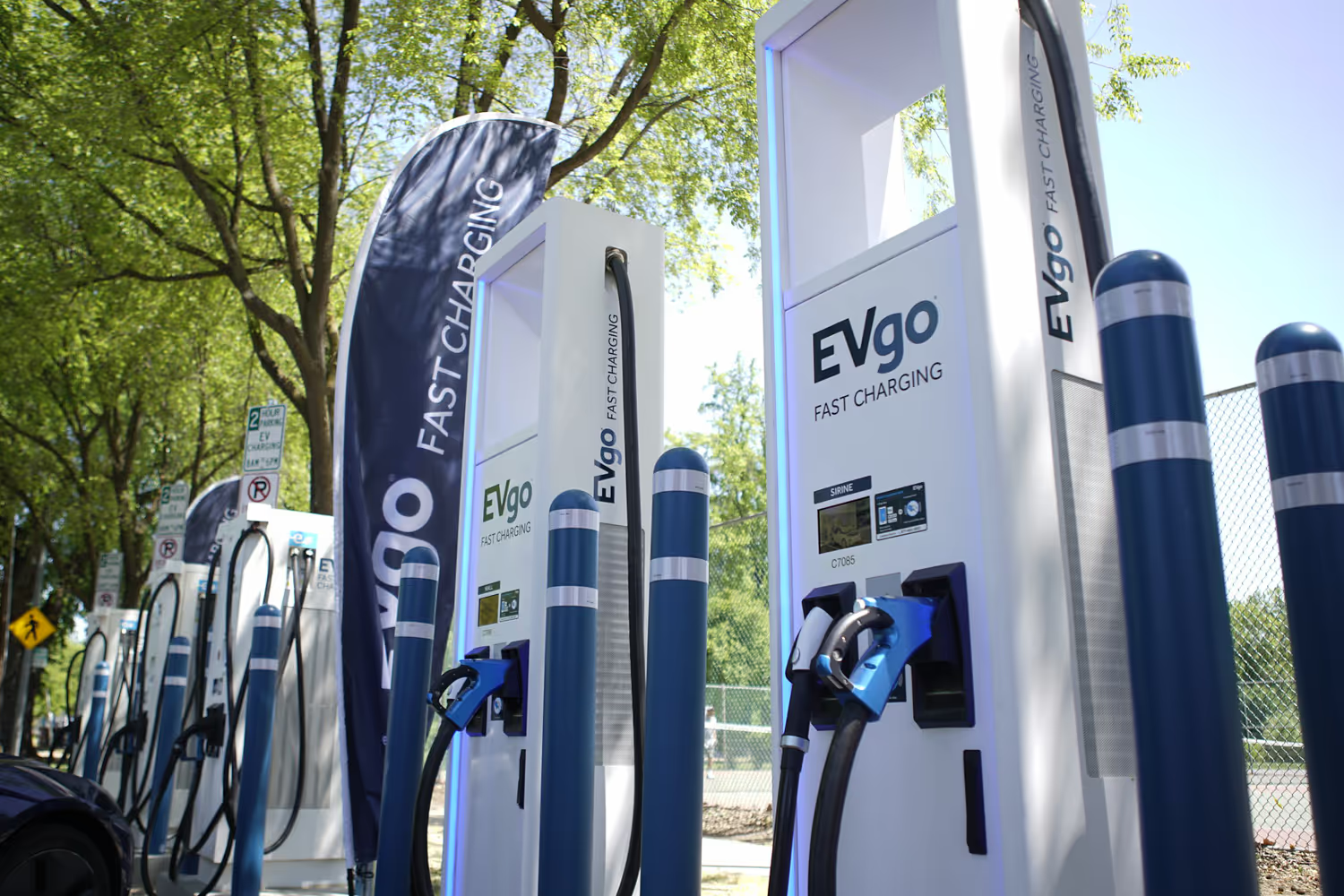
EV Charging and Related Infrastructure Deployment
Educate stakeholders about federal policies that expand the national electric vehicle charging infrastructure network.
Maintain dedicated funding for electric vehicle charging infrastructure to ensure continued nationwide charging network expansion.
Support efforts to standardize and simplify the EV charging experience through the continued development of connector requirements and interoperability standards.
Maintain discretionary authority for states to allow alternative fuel vehicles in high-occupancy vehicle lanes.
Reduce barriers for EV charging stations to be indicated on federal highway signage.
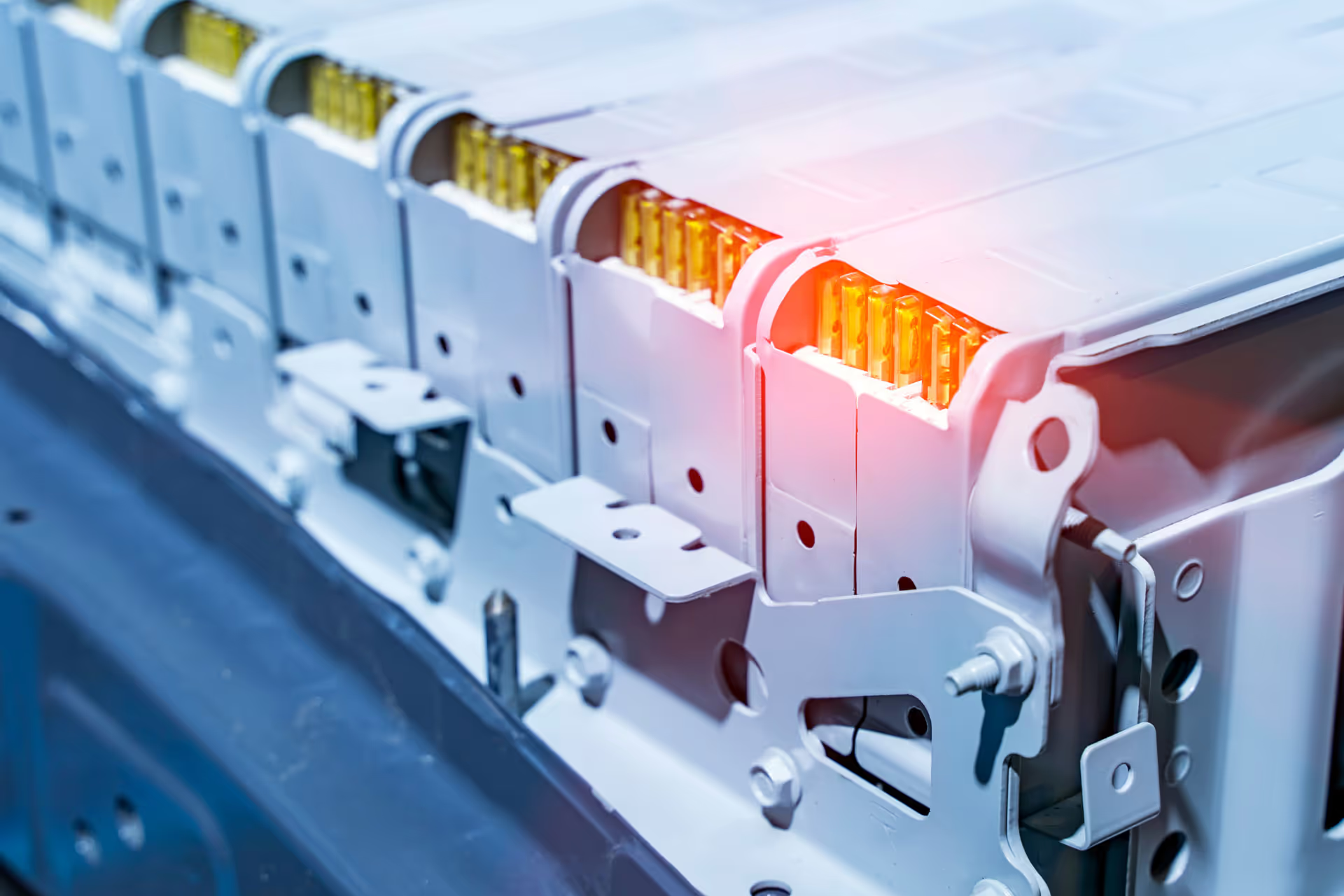
EV Battery and Charging Equipment Safety
Support programs that advance research and first responder training programs to promote safety as electric vehicle adoption accelerates.
Support first responder education and training in electric vehicle charging and battery systems.
Coordinate and align federal and state policymakers on the development of safety standards for the EV sector.
Improve federal data-gathering efforts and increase public awareness.
Support federal resources for continued research and development into battery safety innovation.
We are building a network of individual supporters of electric vehicles.

National policies to support the electric vehicle supply chain.


