


The 2025 EV Stories That Mattered Most
.avif)
Corey Cantor

As we head into the final stretch of the year, it’s a good time to reflect on the industry’s growth and policy impacts over the last several months.
Despite a changing landscape for the automotive industry, there have been a number of positive developments for the electric vehicle sector. For example, the continued growth of U.S. EV charging infrastructure installation, increased model availability, supply chain build-out, and performance improvements are among this year’s EV success stories.
Our team at ZETA decided to put together a short list of the stories this year that you may have missed – and why they matter.
THE AMERICAN ROAD TRIP GOES FROM “IMPOSSIBLE TO EASY” IN AN EV
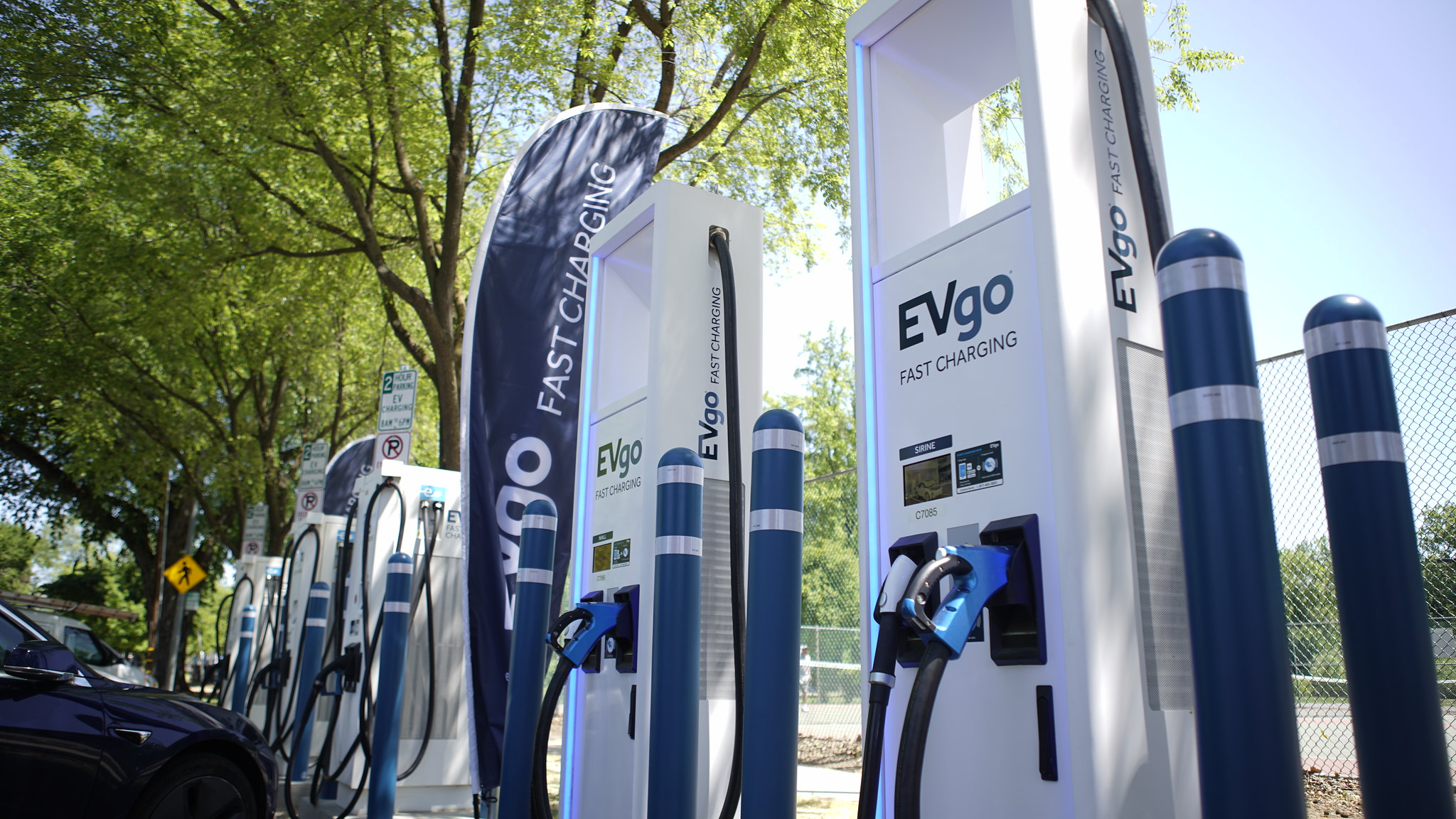
One of the great stories of 2025 is the growth of the charging network in the United States. Following years of questions about whether the network would be big enough to support broad EV adoption and the American road trip, significant investment and accelerated installation have begun to allay those fears.
Outlets including the New York Times and Bloomberg highlighted the growing charging network and how it is able to support road trips through the majority of the United States. At the same time, features like this one from the New York Times show how rural communities are investing in charging infrastructure.
This growth was largely due to the commitment of the private sector and state/local governments, following the federal slowdown in the distribution of federal funds. Industry stakeholders like Tesla, EVgo, Electrify America, and ChargePoint were also joined by new additions to the space like Ionna and Mercedes-Benz High Powered Charging. Now that federal funding is starting to flow again, we can expect this growth trend to continue going into 2026.
Why This Matters: Range anxiety has been cited as one of the main barriers to potential EV adoption. After years of concern by the public, the industry has responded to start building out a robust network. While the work will certainly continue, particularly around rural and medium- and heavy-duty EV charging, this quiet success will have long-term implications and positive benefits for current and future EV drivers.
NEW CAR MARKET BECOMES INCREASINGLY EXPENSIVE, WHILE EVS SHOW PROMISE
As affordability takes center stage for millions of Americans, the new car market, regardless of drivetrain type, has become increasingly expensive. Average new car prices hit a milestone of $50,000 this year – a data point that the Wall Street Journal found is frustrating millions of Americans. The New York Times highlights another sign of the strain that new vehicle prices are having on missed loan payments for monthly car costs, while Cox Automotive notes that the average new car payment hit $766 in September – the highest amount in 15 months and an increase of 1.2% year-on-year.
However, globally electric vehicles continue to see cost reductions, with battery pack prices declining to $108 per kilowatt-hour in 2025, according to BloombergNEF, with upfront price parity expected within the next few years. In the meantime, new EV sales in the U.S. hit a new record for the third quarter following the news that the clean car tax credit would expire.
Jack Ewing of the New York Times recently wrote about how Western automakers are investing in more affordable cars to compete with Chinese automakers, exploring new manufacturing processes and battery chemistries. While such efforts may ultimately pay off, the debut of these models - such as Ford’s skunkworks projects - appears to be happening in 2027 at the earliest.
Meanwhile, the used EV market has shown strong signs of growth this year – and CNBC covered how next year is set to be the “year of the used EV.” The Car Dealership Guy covered in great detail how dealers are preparing for a nearly 200% spike in off-lease EV supply that is coming over the next year.
Why This Matters: The trends that started this year—such as the increasing cost of a new car and the growth of the used EV market—are set to continue well into 2026. Upfront cost for new vehicles remains one of the top barriers to EV adoption. New EV models in 2026, including the Chevrolet Bolt, Nissan Leaf and newly announced Subaru Uncharted, as well as new models like Rivian’s R2 SUV and Slate’s new EV truck, may help to meet more of this mass market. According to data from Recurrent Auto, the number of new EVs for sale under $42,000 is projected to double from 8 to 17 next year. Affordability will continue to be a critical topic as we head into the new year, with consumers making it clear that it is a top tier concern.
DOMESTIC EV AND BATTERY SUPPLY CHAIN CONTINUES TO GROW
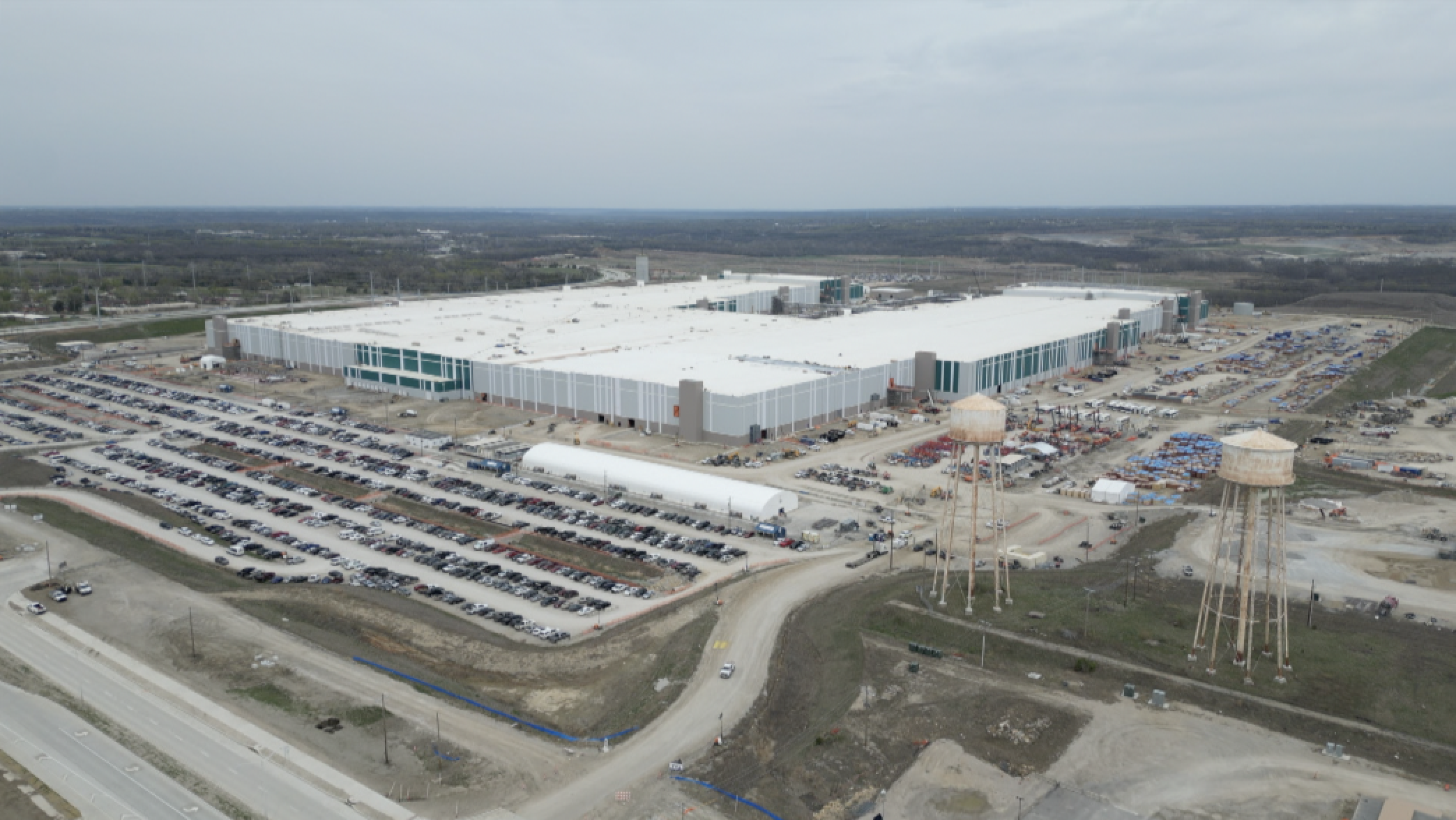
2025 saw the ramp up and opening of new facilities in the EV and battery supply chain. KSHB-TV highlighted that ZETA member Panasonic opened a new facility in DeSoto, Kansas, aiming to create thousands of jobs in the state while producing lithium-ion batteries. In North Carolina, Reuters captured how Toyota has started production for EV and hybrid batteries at its nearly $14 billion plant, aiming to produce around 30 gigawatt-hour (GWh) of product per year.
The importance of creating a robust domestic auto and battery supply chain became increasingly evident this year – especially in light of some very real supply chain disruptions. Multiple fires at a major U.S. auto supplier of aluminum in New York have had real production implications – as noted in the Wall Street Journal. Reuters highlighted the supply chain risk around semiconductor chips was heightened after tensions around geopolitical tensions between the Netherlands and China. Overseas, China’s expansion and dominance of the rare earth elements supply chain was showcased in the New York Times. Restricting critical minerals access has shown the potential to limit auto production, regardless of drivetrain, especially as trade disputes have heated up.
Fortunately, policymakers and other stakeholders across the aisle are recognizing the importance of critical minerals to new energy technologies and national defense. Nevada Governor Joe Lombardo and Congressman Mark Amodei penned an op-ed in the Washington Examiner spotlighting the importance of lithium for America’s future. Energy journalist Alexander Kaufman echoed some of their arguments, writing in the Atlantic about the importance of EVs and clean energy as demand levers for lithium and other key critical minerals like graphite.
Why This Matters: More and more Americans want to see the EV and battery supply chain robustly supported. Many of ZETA’s data and actions this year focused on raising awareness of the importance of co-located manufacturing and joint ventures in reducing supply chain disruptions and enhancing national security. We shared some polling data in March 2025, highlighting how Americans – regardless of political affiliation – strongly support this supply chain build out. In August, the ZETA Education Fund published a white paper focusing on the end of the EV and battery supply chain, recycling. The paper highlights how it will be increasingly important to focus on building up EV battery recycling over the coming years to ensure a robust and closed-loop supply chain.
EVS CONTINUE TO SHOW IMPRESSIVE GAINS IN PRODUCTION, PERFORMANCE AND LONGEVITY
Throughout the year, electric vehicles continued to show gains in performance and longevity.
The Associated Press covered a study by Northern Arizona University and Duke University that found that EVs become cleaner than gas cars within two years. The study features a robust methodology, and offers yet another firm answer in light of questions about the environmental benefits of EVs compared to gas cars.
InsideEVs reported on a separate study that found a surprising answer on EV-longevity. According to a Geotab report, out of the U.K., an EV battery can last up to 20 years with minimal battery degradation. This is far higher than the average new car lifetime of around 14 years. The study looked at around 10,000 electric cars, and found that on-average the EV battery degraded by only 1.8% each year. This follows a study by Stanford last year that suggested EVs may last 40% longer than anticipated. Recurrent Auto has also found that EV batteries typically degrade between 1-2% per year, but improvements in newer EVs means that we may see further improvements in battery longevity moving forward.
Why This Matters: There have been questions about the impact of battery production and emissions, which the Northern Arizona University and Duke University study helps to address showing that EVs perform better than internal combustion engine vehicles on this metric, adding to previous research on the topic. EV battery life is another key question that pops up for potential buyers – particularly those who are looking into purchasing used EVs. While it's important to state that most EVs have a warranty of eight years for the battery, it is good for future residual value and peace-of-mind to know that the research currently argues that in most cases batteries are holding up better than anticipated, and are likely to last longer than the vehicle itself.
__________________________________________________________________________________________________
While these were only four themes that emerged in the stories published this year, we found each important, as they demonstrate not only where the U.S. EV market made strides this year but also set up potential storylines and data points for 2026.
Despite some real challenges for the industry, significant progress was made over the past twelve months. It’ll be exciting to see how these storylines fair in 2026.

%402x%20(1).svg)
%402x%20(1).svg)
National policies to support the electric vehicle supply chain.
